

- Explain where the photos will be used so the photographer can plan angles and crops.
- Send the run sheet and a people list with titles and photos.
- Share protocol, security and consent requirements before the day.
- Agree on a short must-have shot list and clear delivery deadlines.
A government event gives your photographer one chance at every moment that matters. The minister arrives once, the announcement is made once and the handshake happens once. A good brief means your photographer is in the right place for each of them, and your communications team gets images it can use straight away.
Here is what we ask for before a launch, press conference, reception or official visit, and why each part makes a difference on the day.
Start with what the photos are for
Tell your photographer where the images will end up. A media release needs a strong landscape image of the key speaker. Social posts need tighter crops and a few portrait frames. An annual report needs wide shots that show scale and the people involved. Knowing the end use shapes every decision, from lens choice to where the photographer stands during speeches.
If there is one image the event has to produce, say so. It might be the minister with community members, the signing of an agreement or the ribbon being cut. Naming it up front makes sure it is covered from more than one angle.
Send the run sheet and the people list
The run sheet is the most useful document you can share. It tells the photographer when to be at the arrival point, when speeches start and when the formal moment happens. Include the venue map if you have one, along with any rooms or areas that are off limits.
A people list matters just as much. List the VIPs, speakers and stakeholders you need photographed, with their titles and, ideally, a photo of each. On the day, nobody wants the photographer asking a protocol officer which person is the deputy secretary.
The best briefs we receive are short. A run sheet, a people list and the three photos you cannot do without will cover most events.
Spell out protocol, security and consent
Government events often come with rules that are not obvious from the outside. Let your photographer know about:
- Security screening, arrival times and accreditation for the photographer and any assistant
- Media pens, restricted zones and where the photographer can stand during speeches
- Protocol for dignitaries, such as order of precedence in group photos
- Your consent process, including no-photo lanyards and how guests are told photography is taking place
If children, vulnerable people or members of the public will attend, explain how consent is being handled. A clear process protects your guests and saves you from removing images after the event.
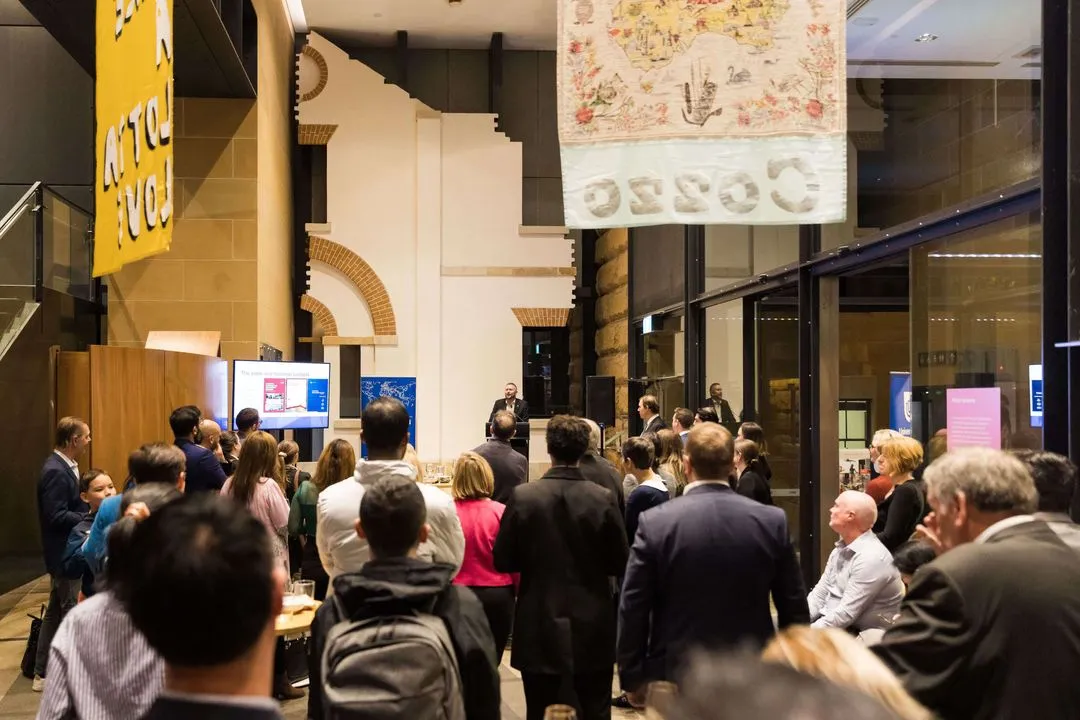
Agree on the shot list
A shot list keeps everyone aligned without micromanaging the day. Group it into must-have shots, nice-to-have shots and anything to avoid. Typical must-haves include arrivals, each speaker at the lectern, the key moment, audience reactions and a formal group photo.
Keep the list realistic for the time available. If the minister is only on site for twenty minutes, prioritise the frames that matter most and plan the group photo at a fixed point in the run sheet.
Set delivery deadlines and approvals
Tell your photographer when the images are needed and who approves them. If a media release goes out the same afternoon, agree on how many images you need for it and the time they must arrive. Ask how the rest of the gallery will be delivered and when.
It also helps to know who signs off on images before they are published, and whether any partner agencies or ministerial offices will receive them. That way the photographer can send the right selection to the right people.
A simple brief template
If you are short on time, send these six things and you will have covered the essentials:
- The purpose of the photos and where they will be used
- The run sheet and venue map
- A people list with titles and photos
- Protocol, security and consent requirements
- Your must-have shot list
- Delivery deadlines and who approves the images
With that in hand, your photographer can focus on capturing the event rather than chasing details on the day.

How we write: our articles are written by working event photographers and based on events we have photographed in Sydney. We check each post for accuracy and show the date it was last updated. See how we work.